
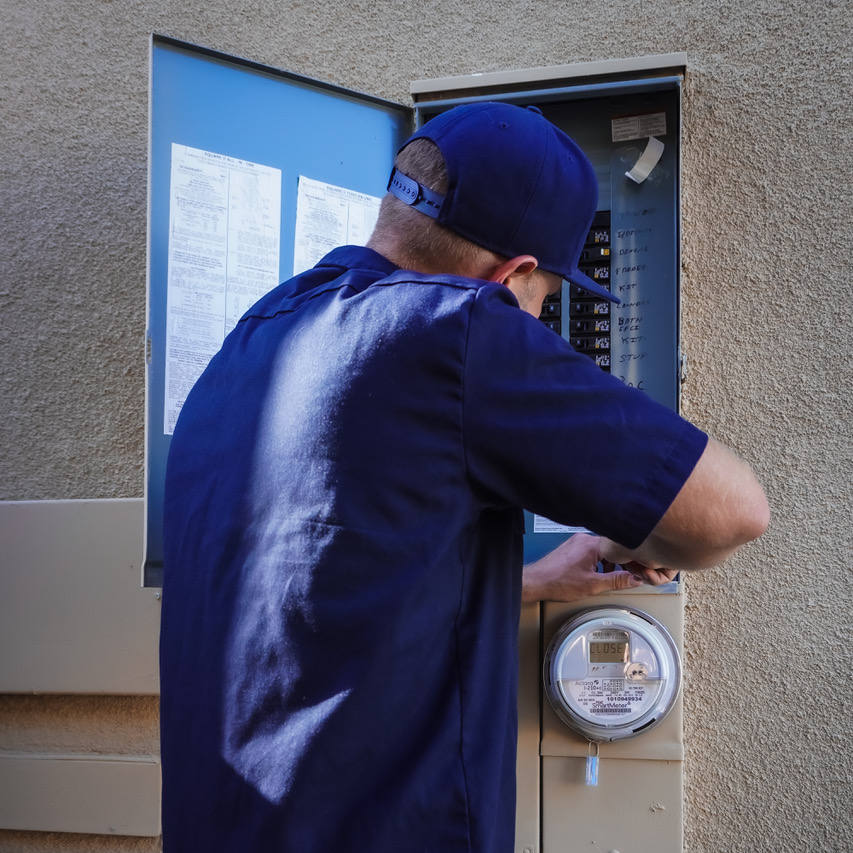
Of all the systems an inspector checks during a home walkthrough, the electrical system tends to produce the most consequential findings. A roof leak is visible. A cracked tile is obvious. But faulty wiring, an aging panel, or missing GFCI protection can sit hidden behind walls and outlet covers for years until something fails. For buyers, sellers, and current homeowners across the Sacramento region, understanding what a professional electrical inspection covers helps you spot warning signs early and know what to expect when home inspectors in Sacramento open the panel for a closer look.
Why Electrical Inspections Matter in Older Sacramento Homes
Sacramento housing stock spans every era. Pre-war bungalows in Land Park, mid-century ranch homes in Arden-Arcade, 1970s tract construction in Citrus Heights, and brand-new builds in Roseville, Folsom, and Elk Grove all sit within a short drive of each other. Each era brings its own electrical concerns. Pre-1940s homes can still contain knob-and-tube wiring. Houses built between 1965 and 1973 often have aluminum branch wiring. Older panels may be undersized for today’s electrical loads, and certain panel brands carry well-documented failure histories. Insurance carriers in California pay close attention to electrical findings during underwriting, particularly for older properties. Many home inspection companies in Sacramento, CA, document electrical concerns thoroughly because those findings often shape the path forward for repair negotiations, insurance approval, or post-closing project planning.
1. The Electrical Panel: Where Inspections Begin
The main service panel is the heart of a home’s electrical system, and it is usually where an inspector starts. A panel tells the story of how the home has been wired, modified, and maintained over the years. Here is what an inspector looks for when the cover comes off:
- Panel age and brand: Federal Pacific Stab-Lok, Zinsco, and certain Challenger panels are flagged for documented failure histories. These may trigger insurance underwriting questions.
- Service capacity: A 100-amp panel may be adequate for a small older home, but a modern household with central HVAC, electric appliances, and EV charging often needs 200-amp service.
- Double-tapped breakers: Two wires connected to one breaker (when not rated for it) is a common defect.
- Grounding and bonding: Proper grounding protects the system from surges and faults. Inspectors confirm a grounding electrode and continuous bond.
- Physical condition: Corrosion, scorching, melted insulation, or moisture intrusion inside the panel cabinet indicates active or past problems.
- Labeling and accessibility: Breakers should be clearly labeled, and the panel should have at least 36 inches of clear depth in front, 30 inches of clear width, and 6 feet 6 inches of headroom.
2. Outlets, GFCIs, and AFCIs
Once the panel is documented, an inspector moves to the outlets and switches throughout the home. GFCI protection (Ground Fault Circuit Interrupter) is required by California code in kitchens, bathrooms, garages, laundry areas, exterior outlets, crawl spaces, basements, and within 6 feet of any sink. AFCI protection (Arc Fault Circuit Interrupter) is required in most living areas of newer construction to prevent electrical fires caused by damaged or arcing wiring. Inspectors also test for reverse polarity, open grounds, ungrounded three-prong outlets (a common issue when an older two-prong system has been upgraded improperly), and loose receptacles. Warm outlet covers, light switch buzzing, and visible scorch marks all get photographed and documented. A simple homeowner habit: press the TEST button on every GFCI outlet once a month. The reset button should pop out and the outlet should lose power. Press RESET to restore it. If a GFCI does not trip when tested, it has failed and should be replaced.
3. Older Wiring Types to Watch For
Two wiring types deserve specific attention in Sacramento’s older neighborhoods: Knob-and-tube wiring: Used in homes built before the 1940s. The wiring itself is not inherently unsafe when intact and properly terminated. The issues come when knob-and-tube has been buried in insulation, modified by amateur electricians, overloaded, or exposed to moisture. Many California insurance carriers will not write a policy on a home with active knob-and-tube circuits, so identifying it early matters. Aluminum branch wiring: Appeared in homes built between 1965 and 1973. The conductor itself is not the primary issue, but aluminum expands and contracts more than copper, which can loosen connections at outlets and switches. Loose connections create heat. Heat creates fire risk. The fix is not always a full rewire. CO/ALR-rated devices, AlumiConn connectors, or COPALUM crimps can remediate connection points safely. A thorough inspection identifies the wiring type and documents the connections so homeowners can plan corrective work.
Five Quick Electrical Safety Checks for Sacramento Homeowners
Between professional inspections, these checks help homeowners catch warning signs early:
- Test every GFCI outlet monthly using the built-in test and reset buttons.
- Keep the panel accessible. No storage, shelving, or laundry baskets within the required 36-inch working depth in front of the panel.
- Touch outlet covers periodically. Warm covers or scorch marks around plug prongs indicate a problem.
- Listen for unusual sounds. Buzzing, humming, or crackling from switches, outlets, or the panel needs attention.
- Replace smoke and CO detector batteries twice yearly. Set a reminder when daylight saving time changes.
These homeowner checks help catch warning signs but do not replace a professional walkthrough.
When to Bring in a Professional
Three situations almost always justify a full electrical evaluation as part of Sacramento home inspections on the books:
- Buying any home built before 1990, especially properties that have not been professionally evaluated in the last decade.
- Planning a major load addition like an EV charger, solar system, heat pump, or accessory dwelling unit. Each adds significant draw to the existing service.
- After an electrical event such as a lightning strike, panel buzz, repeated tripped breakers, or visible damage to wiring or fixtures.
A full inspection documents the panel, outlets, fixtures, and accessible wiring with photographs and severity ratings, giving you a written record you can share with electricians, insurance carriers, and (for buyers) sellers during repair negotiations.
Closing
Most electrical issues are fixable when caught early. The risk grows when problems sit undetected behind walls, in attics, or inside panel cabinets for years. A documented inspection report gives homeowners, buyers, and insurance carriers a shared record of the system’s actual condition rather than a guess. If you are buying, selling, or just want to know where your home stands, schedule an inspection with Odyssey Home Inspection and get the full electrical picture in writing the same day.