

Introduction
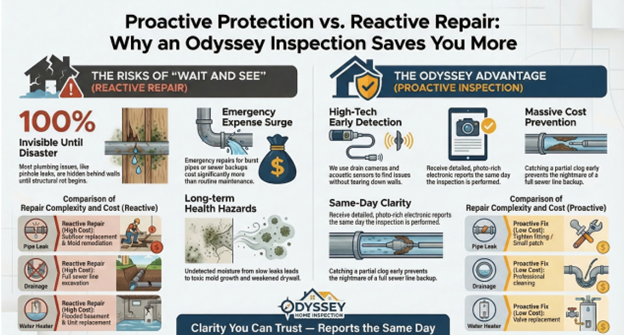
Most homeowners do not think about their plumbing until something goes wrong. A burst pipe flooding the basement or a sewer backup filling the house with odors is usually what it takes before people start paying attention. The truth is, your plumbing system works quietly behind the scenes every single day, and like any hardworking system, it needs regular attention to stay in good shape.
Plumbing inspections give you a clear, honest picture of what is happening inside your pipes, drains, and fixtures before a small problem turns into an expensive disaster. They are one of the smartest investments a homeowner or property manager can make. A single inspection can uncover leaks that are slowly rotting your subfloor, drainage issues that are quietly backing up toward your living space, or aging pipes that are years past their useful life.
In this blog, we will walk you through what plumbing inspection services actually involve, the most common problems they turn up, and why scheduling one regularly is far less painful than dealing with a major plumbing emergency.
What Are Plumbing Inspection Services?
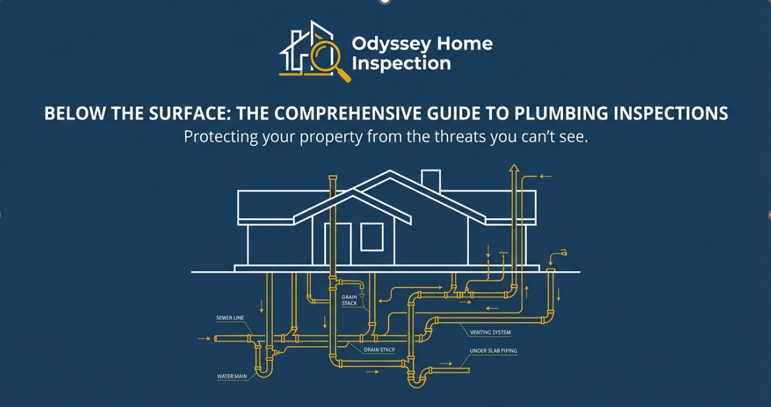
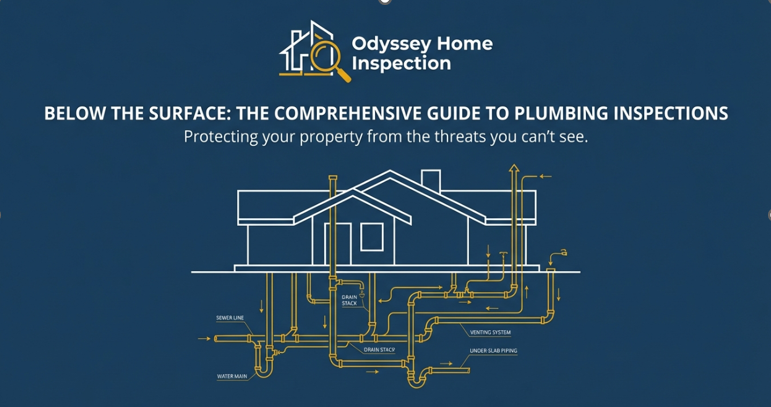
A plumbing inspection is a thorough assessment of your property’s entire plumbing system. A licensed plumber examines your pipes, fixtures, water heater, drains, sewer lines, and water pressure to check for any signs of damage, wear, or code violations. The goal is simple: catch problems early before they become costly repairs or health hazards.
Types of Plumbing Inspections
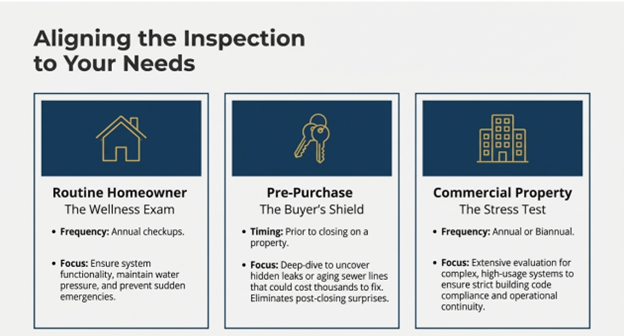
Not every inspection looks the same. The type you need depends on your situation.
- Routine homeowner inspections are scheduled checkups, typically done once a year, to make sure everything is functioning properly. Think of it like a wellness exam for your plumbing.
- Pre-purchase inspections are done before buying a home. They give buyers a detailed report on the condition of the plumbing so there are no surprises after closing. A hidden leak or aging sewer line can cost thousands to fix, and knowing about it before you sign is invaluable.
- Commercial property inspections are more extensive because commercial buildings have more complex plumbing systems with higher daily usage. These inspections ensure the system meets building codes and can handle the demands placed on it.
Tools and Techniques Used
Modern plumbing inspections use specialized equipment that allows plumbers to look inside your pipes without tearing apart your walls or digging up your yard. Drain cameras thread through pipes to capture live video footage of the interior, revealing cracks, blockages, and buildup. Pressure testing checks whether your pipes can hold water at the correct pressure or whether there are leaks affecting flow. Leak detection equipment uses acoustic sensors and moisture meters to find water that is hiding behind walls or under floors.
Why You Should Always Hire a Licensed Professional
It can be tempting to skip hiring a professional and just do a visual walkthrough yourself. The problem is that most plumbing issues are invisible from the surface. A licensed plumber knows exactly what to look for, has the tools to find hidden problems, and can give you an accurate assessment of how serious any issues are. Attempting a DIY inspection often means missing the very problems that end up causing the most damage.
Common Problems Found During Plumbing Inspections
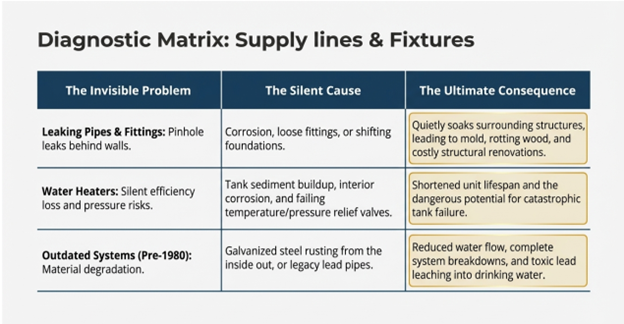
Year after year, plumbers find the same categories of problems in homes and commercial properties. Some of these are easy to fix if caught early. Others become major and expensive when ignored. Here is a look at the most common issues and what they mean for your home.
Leaking Pipes and Fittings
Leaks are the most frequently discovered problem during plumbing inspections, and the frustrating thing is that most homeowners have no idea they exist. Pipes can leak due to corrosion, loose fittings, shifting foundations, or simply the wear and tear that comes with age. A pinhole leak in a water supply line inside your wall might not make a sound or leave a visible stain for months, but all that time it is quietly soaking the surrounding structure.
Left unchecked, leaking pipes lead to mold growth, rotting wood, weakened drywall, and eventually structural damage. A small fix today can prevent a renovation project tomorrow.
Clogged Drains and Sewer Lines
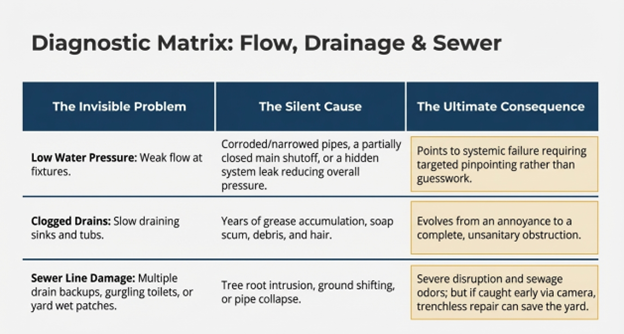
Slow-draining sinks are annoying but manageable. A fully blocked sewer line is a nightmare. Most homeowners only discover serious drain blockages when sewage starts backing up into their bathrooms or kitchen. Common culprits include years of grease accumulation in kitchen lines, tree roots that have cracked and grown into sewer pipes, and the buildup of debris, soap scum, and hair in bathroom drains.
A camera inspection of your drains can identify blockages that are forming before they become complete obstructions. Catching a partial clog early is much simpler and less expensive than dealing with a full sewer backup.
Water Heater Issues
Water heaters are one of the most overlooked components in any home’s plumbing system, yet they are responsible for some of the most costly failures. During inspections, plumbers frequently find sediment buildup at the bottom of the tank, which reduces efficiency and shortens the unit’s lifespan. Corrosion around connections and the tank itself is also common, particularly in older units. Temperature and pressure relief valves are another area of concern as they can fail silently, creating a dangerous situation where the tank cannot safely release excess pressure.
Low Water Pressure
If your shower feels weak or your kitchen faucet takes too long to fill a pot, the cause might be more serious than an aerator that needs cleaning. Low water pressure throughout a home can signal corroded pipes that have narrowed internally over the years, a leak somewhere in the system that is reducing overall pressure, or a partially closed main shutoff valve. An inspection can pinpoint which of these is the culprit so it can be addressed directly rather than guessed at.
Sewer Line Damage or Backups
Sewer line problems are among the most expensive and disruptive plumbing issues a homeowner can face. Signs of a damaged or failing sewer line include multiple drains backing up at the same time, gurgling sounds coming from your toilets, sewage odors inside the home, and wet patches in your yard above where the sewer line runs.
Tree root intrusion, pipe collapse, and ground shifting are the most common causes. A sewer camera inspection can diagnose these issues accurately, and in many cases, trenchless repair methods can fix the problem without digging up the entire yard.
Old or Outdated Plumbing Systems
Homes built before the 1980s may still have galvanized steel pipes, which were common at the time but have a well-documented history of corroding from the inside out. As galvanized pipes age, they rust internally, reducing water flow and eventually breaking down entirely. Lead pipes, found in even older properties, pose a direct health risk as they can leach lead into drinking water. Inspections can identify what type of piping your home has and flag any materials that present safety concerns or are nearing the end of their functional life.
Hidden Water Damage or Mold
Water damage that hides behind walls or under floors can go undetected for a surprisingly long time. By the time discoloration appears on a ceiling or a floor starts feeling soft underfoot, the damage has often been building for months. Moisture meters and thermal imaging cameras allow plumbers to detect elevated moisture levels inside walls and floors without opening them up. Finding hidden dampness early also helps prevent mold growth, which poses significant health risks and is expensive to remediate once it takes hold.
Benefits of Regular Plumbing Inspections
Some homeowners wonder whether the cost of a routine inspection is worth it if nothing seems wrong. The answer is almost always yes, and here is why.
- Early detection saves significant money. Fixing a small leak costs a fraction of what it costs to repair water-damaged flooring, framing, or drywall. Plumbing inspections are preventive care, and like most preventive care, they pay for themselves.
- Improved water efficiency. Running toilets, dripping faucets, and small pipe leaks waste more water than most people realize. An inspection can identify inefficiencies that are quietly inflating your utility bills.
- Prevention of major emergencies. Burst pipes, overflowing sewer lines, and failed water heaters are the kinds of events that disrupt your life and your home for days or weeks. Regular inspections dramatically reduce the likelihood of these emergencies by catching warning signs before they escalate.
- Building code compliance. For property owners who rent out their homes or run commercial buildings, ensuring that the plumbing meets current building codes is not optional. Inspections confirm compliance and document the condition of the system.
How Often Should Plumbing Inspections Be Done?
The right inspection schedule depends on the type of property and its age.
- Residential homes benefit from a professional inspection every one to two years. If you have a newer home with modern plumbing, once every two years is usually adequate. Older homes should be inspected annually.
- Older properties, especially those over 30 years old with original plumbing, warrant more frequent inspections. The older the system, the higher the likelihood of corrosion, outdated materials, and wear-related failures.
- Commercial buildings should be inspected at least once a year given the heavier daily demands on their systems. Many commercial property owners opt for biannual inspections to stay ahead of any issues.
Do not wait for a scheduled inspection if you notice any of the following:
- Unexplained increases in your water bill
- Discolored water or unusual taste or smell
- Multiple drains running slowly at the same time
- Wet spots on walls, ceilings, or floors that have no obvious source
- Sewage or musty odors anywhere in the building
Choosing the Right Plumbing Inspection Service
Not every plumbing company offers the same level of service, and choosing the right one makes a real difference in the quality and accuracy of your inspection.
- Credentials and licensing. Always verify that the plumber is licensed in your state or region. Licensing requirements exist for good reason, and a licensed professional is accountable to a regulatory body if something goes wrong.
- Experience and reviews. Look for a company with a track record in your area. Online reviews and word-of-mouth recommendations from neighbors or friends are reliable ways to gauge the quality of service you can expect.
- Equipment and technology. A plumber who still relies solely on visual inspections without a camera or leak detection tools will miss problems that a better-equipped professional would catch. Ask what technology they use before booking.
- Pricing and service guarantees. A good inspection service will give you a clear quote upfront and stand behind their findings. Look for companies that provide a written report after the inspection so you have documentation of everything that was assessed.
Final Thoughts
Plumbing problems rarely announce themselves until they have already done significant damage. By then, the repair bills are higher, the disruption is greater, and the stress is far more than it needed to be. Regular plumbing inspections are a straightforward, affordable way to stay ahead of those problems.
From detecting hidden leaks and aging pipes to identifying drainage issues before they become sewer emergencies, a professional inspection gives you real, actionable information about your home’s plumbing. You do not have to wait for something to break to get it looked at.
If it has been more than a year since your plumbing was professionally inspected, or if you have never had an inspection done on your current property, now is a good time to schedule one. Contact a trusted, licensed plumbing inspection service in your area and get the peace of mind that comes with knowing exactly where your plumbing stands. A little attention today can save you a lot of trouble tomorrow.