

Table of contents
- Introduction: Why Home Inspection Costs Matter
- 3. Factors That Affect Home Inspection Cost
- Inspector Experience and Credentials
- 4. Types of Home Inspections and Their Costs
- 5. Home Inspection Costs for Buyers
- 6. Home Inspection Costs for Sellers
- 7. How to Find and Hire a Home Inspector
- 8. How to Save Money on a Home Inspection
- 9. What’s Included in a Standard Home Inspection
- What Inspectors Do NOT Cover
- 10. Understanding the Inspection Report
- 11. Frequently Asked Questions
- 12. Conclusion and Next Steps
Introduction: Why Home Inspection Costs Matter
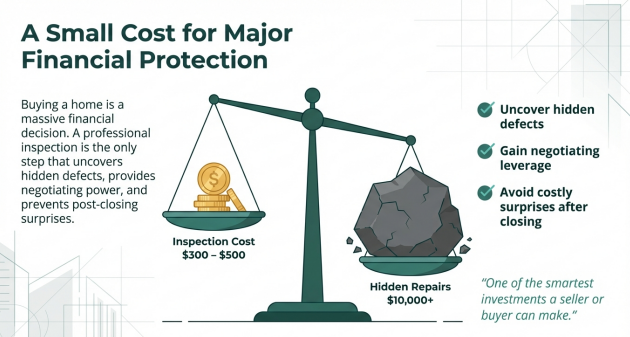
Buying or selling a home is one of the biggest financial decisions you’ll ever make. Yet many buyers and sellers skip or underprepare for one of the most important steps in the entire process: the home inspection. A professional home inspection uncovers hidden defects, gives buyers negotiating power, and protects sellers from costly surprises after closing.
Whether you’re a first-time buyer nervously awaiting an offer acceptance, a seasoned investor eyeing a flip, or a seller wanting to get ahead of issues before listing, this guide is for you. We’ll break down exactly what you can expect to pay, what drives inspection costs up or down, and how to make the most of every dollar you spend.
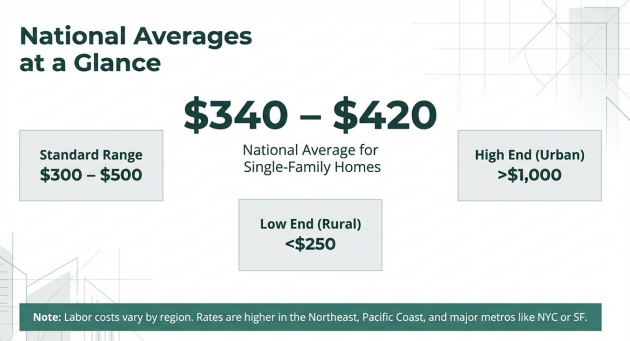
Quick summary: Most home inspections in the U.S. cost between $300 and $500 for a standard single-family home. However, depending on your home’s size, age, location, and the types of inspections you need, your total bill could range from under $250 to well over $1,000.
2. Average Home Inspection Costs at a Glance
Before diving into the details, here’s a high-level view of what most homeowners and buyers pay for home inspections across the United States.
National Average Cost Range
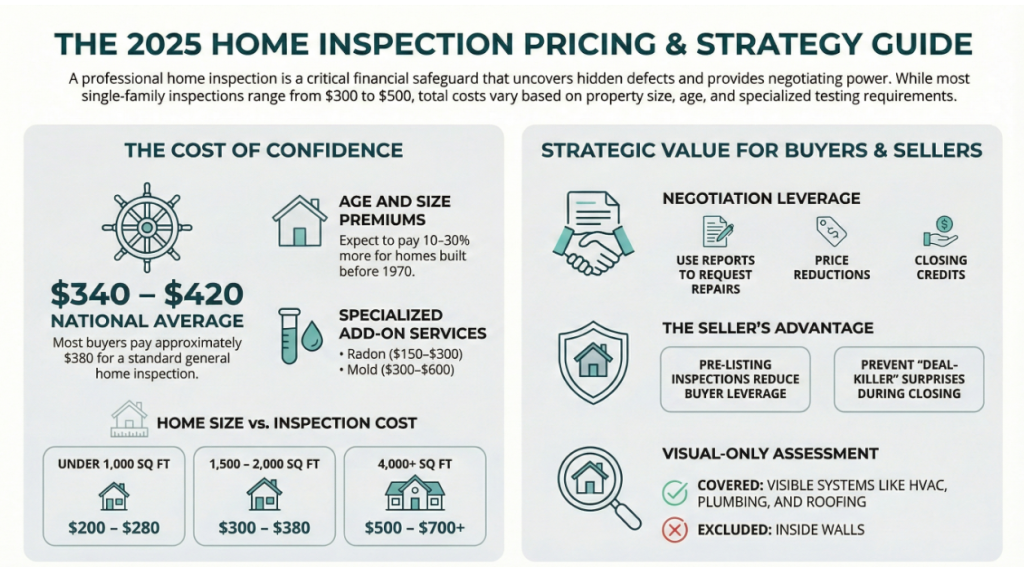
The national average for a standard general home inspection is $340 to $420, with most buyers paying around $380. Budget-conscious buyers in rural areas may pay as little as $250, while those purchasing large or complex properties in expensive metros could pay $600 or more.
| Home Size (Sq Ft) | Average Inspection Cost |
| Under 1,000 sq ft | $200 – $280 |
| 1,000 – 1,500 sq ft | $250 – $320 |
| 1,500 – 2,000 sq ft | $300 – $380 |
| 2,000 – 2,500 sq ft | $350 – $420 |
| 2,500 – 3,000 sq ft | $390 – $470 |
| 3,000 – 4,000 sq ft | $440 – $550 |
| 4,000+ sq ft | $500 – $700+ |
Cost by Home Age
Older homes often require more time and scrutiny from inspectors, which can drive up costs:
- Newer homes (built after 2000): $280 – $380
- Mid-century homes (1970s–1990s): $330 – $430
- Older homes (1950s–1960s): $370 – $480
- Historic or pre-WWII homes: $450 – $650+
Cost by Property Type
| Property Type | Average Cost |
| Condo or Townhouse | $200 – $320 |
| Single-Family Home | $300 – $500 |
| Multi-Family (2–4 units) | $450 – $750 |
| Commercial Property | $500 – $3,000+ |
| New Construction | $300 – $500 |
3. Factors That Affect Home Inspection Cost
No two inspections are priced exactly the same. Here are the key variables that will influence what you pay:
Home Size
Square footage is the most important pricing factor. Inspectors typically charge more for larger homes because they take longer to inspect. Many inspectors use a tiered pricing model based on square footage brackets.
Home Age
Older homes require more detailed attention. Inspectors need to check for outdated wiring (knob-and-tube, aluminum wiring), aging plumbing (galvanized pipes, lead solder), older HVAC systems, and structural concerns common in older construction. Expect to pay 10–30% more for homes built before 1970.
Location
Labor costs vary significantly by region. Urban areas in the Northeast, Pacific Coast, and major metros like New York, San Francisco, and Boston tend to have higher inspection rates. Rural areas in the Midwest and South are generally cheaper. State licensing requirements also affect pricing.
Inspector Experience and Credentials
Highly credentialed inspectors — those certified by InterNACHI or ASHI, with years of experience — typically charge more. While it may be tempting to go with the cheapest option, an experienced inspector can spot subtle issues that save you thousands.
Type of Inspection
A basic general inspection is the most affordable option. Specialized inspections (radon, mold, sewer, etc.) each add to your total cost. We cover pricing for each type in the next section.
Time of Year
Spring and fall are peak real estate seasons. Demand for inspectors is higher, and you may wait longer for an appointment or even pay a small premium. Winter and summer are typically slower, sometimes resulting in faster scheduling and more competitive pricing.
Add-On Services
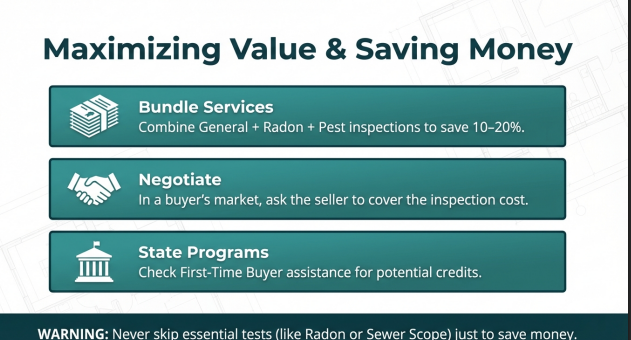
Many inspection companies offer bundled packages. Common add-ons include thermal imaging, drone roof inspection, air quality testing, and carbon monoxide testing. Bundling these with your general inspection often saves 10–20% compared to booking each separately.
4. Types of Home Inspections and Their Costs
A general home inspection covers the major visible and accessible systems of a home. But depending on the property, its location, and your concerns, you may need additional specialized inspections.
| Inspection Type | Average Cost | What It Covers |
| General Home Inspection | $300 – $500 | Structure, systems, roof, plumbing, electrical, HVAC |
| Radon Testing | $150 – $300 | Measures radon gas levels in air and water |
| Mold Inspection | $300 – $600 | Identifies mold growth, moisture intrusion, air quality |
| Pest / Termite Inspection | $75 – $150 | Wood-destroying insects, termites, carpenter ants |
| Sewer Scope Inspection | $100 – $300 | Camera inspection of sewer/drain lines |
| Roof Inspection | $100 – $300 | Shingles, flashing, gutters, structural integrity |
| HVAC Inspection | $100 – $300 | Heating, ventilation, air conditioning systems |
| Pool / Spa Inspection | $100 – $200 | Equipment, structure, safety features |
| Foundation Inspection | $300 – $800 | Cracks, settlement, drainage, structural integrity |
| Pre-Listing Inspection | $300 – $500 | Seller-ordered inspection before listing home |
| New Construction Inspection | $300 – $500 | Phase inspections during and after build |
| Asbestos Testing | $250 – $800 | Air and material sampling for asbestos presence |
| Lead Paint Testing | $200 – $400 | Common in homes built before 1978 |
General Home Inspection — What It Covers
A standard general inspection typically includes a visual assessment of all of the following:
- Roof condition, flashing, gutters, and drainage
- Attic insulation, ventilation, and structural framing
- Foundation, crawl spaces, and basement
- Exterior walls, windows, doors, and grading
- Electrical panel, outlets, switches, and visible wiring
- Plumbing supply lines, drains, fixtures, and water heater
- HVAC equipment and ductwork
- Interior ceilings, walls, floors, stairs, and railings
5. Home Inspection Costs for Buyers
Who Pays for the Home Inspection?
In most transactions, the buyer pays for the home inspection. It’s typically an out-of-pocket cost paid directly to the inspection company, separate from closing costs. The fee is generally non-refundable even if the deal falls through — though some contracts allow buyers to back out based on inspection results.
When to Schedule an Inspection
Schedule your inspection as soon as your offer is accepted and you’re under contract. Most purchase agreements include an inspection contingency period of 7–14 days. Don’t wait until the last minute — popular inspectors book up quickly, especially in spring and fall.
Using Inspection Results in Negotiations
An inspection report gives you leverage. If the inspector finds significant issues — an aging roof, faulty electrical panel, or HVAC at end of life — you can:
- Request that the seller make repairs before closing
- Ask for a price reduction to offset repair costs
- Request a seller credit toward closing costs
- Walk away from the deal if issues are deal-breakers
Savvy buyers focus on safety issues and major system failures rather than minor cosmetic items. An inspection report with 40 items is not unusual — not everything requires action.
Is It Ever Worth Skipping an Inspection?
In hot markets, some buyers waive the inspection to make their offer more competitive. While this is a personal decision, it comes with serious risks. You could inherit thousands of dollars in undisclosed problems — from faulty wiring and plumbing leaks to foundation cracks and mold. Unless you’re an experienced contractor buying an as-is property at a significant discount, skipping the inspection is rarely worth the gamble.
Red Flags That Trigger Additional Inspections
- Water stains on ceilings or walls — suggests leaks or moisture issues
- Musty smell — possible mold or dampness
- Cracks in foundation or exterior walls — may indicate settling
- Old or mixed-material wiring — could require an electrician’s evaluation
- Slow drains or gurgling sounds — possible sewer line issues
- Homes built before 1980 — consider lead paint and asbestos testing
6. Home Inspection Costs for Sellers
Why Sellers Should Consider a Pre-Listing Inspection
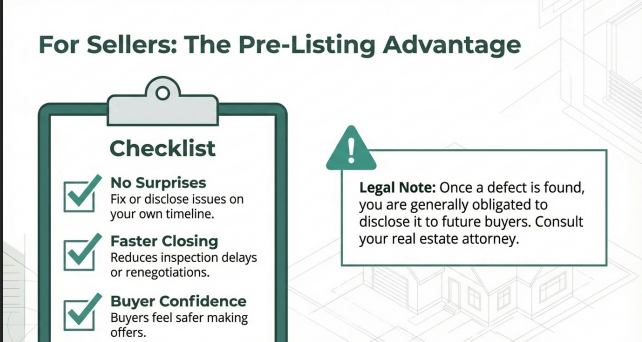
A pre-listing (or seller’s) inspection is done before your home goes on the market. It’s one of the smartest investments a seller can make. Here’s why:
- No surprises: Discover issues before buyers do, giving you time to fix or disclose them
- Faster closings: Fewer inspection-related delays and renegotiations
- Stronger negotiating position: You’ve already addressed issues, reducing buyer leverage
- Higher buyer confidence: Buyers feel more comfortable making offers on inspected homes
- Potentially higher sale price: Well-maintained, pre-inspected homes often sell for more
Pre-Listing Inspection vs. Buyer’s Inspection
Keep in mind that even if you conduct a pre-listing inspection, the buyer will almost certainly still order their own inspection. The pre-listing inspection is a proactive tool for sellers, not a replacement for the buyer’s inspection. Think of it as due diligence on your own asset.
Disclosure Obligations After Inspection
This is important: in most states, once you’re aware of a defect — whether through your own inspection or a buyer’s — you’re legally obligated to disclose it to potential buyers. Consult a real estate attorney in your state before deciding how to handle issues discovered in a pre-listing inspection.
7. How to Find and Hire a Home Inspector
Credentials to Look For
Look for inspectors certified by one of the two major national organizations:
- InterNACHI (International Association of Certified Home Inspectors) — Widely recognized, rigorous training standards
- ASHI (American Society of Home Inspectors) — The oldest and one of the most respected certifications in the industry
Some states also require inspectors to hold a state license. Always verify that your inspector is licensed in your state if required.
Questions to Ask Before Hiring
- How many inspections have you completed?
- Are you certified by InterNACHI or ASHI?
- Do you carry errors and omissions (E&O) insurance?
- What does your inspection include?
- How long will the inspection take?
- When will I receive the written report?
- Can I attend the inspection?
How to Compare Quotes
Don’t just choose the cheapest inspector — choose the best value. Compare what’s included, the inspector’s credentials, availability, and turnaround time for the report. A $50 price difference is irrelevant if you miss a $10,000 problem.
Red Flags When Vetting Inspectors
- Unusually low prices that seem too good to be true
- Unwillingness to let you attend the inspection
- No written contract or sample reports
- No professional liability or E&O insurance
- Hard to reach or slow to respond
Where to Find Home Inspectors
- InterNACHI Inspector Locator: nachi.org/find-inspector
- ASHI Inspector Finder: homeinspector.org
- Your real estate agent’s recommendations
- Online platforms such as Angi, HomeAdvisor, and Thumbtack
- Referrals from friends, family, and neighbors
8. How to Save Money on a Home Inspection
Bundle Multiple Inspections
Many inspection companies offer package deals. If you know you need radon testing, pest inspection, or a sewer scope, ask about bundled pricing upfront. Packages can save you $50 to $150 compared to booking each service separately.
Negotiate Seller-Paid Inspections
In some markets and situations, you can negotiate for the seller to pay for or credit the cost of the inspection at closing. This is more common in buyer’s markets where sellers are motivated.
First-Time Buyer Programs
Some state housing finance agencies and nonprofit HUD-approved counseling agencies offer assistance programs that include home inspection cost credits or vouchers for first-time buyers. Check with your state’s housing agency or HUD.gov for available programs.
What NOT to Skip to Save Money
While it’s tempting to cut costs, some inspections are non-negotiable depending on the property:
- Radon testing in high-risk states (Midwest, Northeast, Mountain West)
- Pest inspection in humid, wooded, or termite-prone regions
- Sewer scope on homes over 20 years old
- Foundation inspection if there are visible cracks or uneven floors
9. What’s Included in a Standard Home Inspection
What Inspectors Examine
A qualified inspector will spend 2–4 hours walking through the home systematically, examining all accessible and visible components. Here’s what’s typically covered:
Roof and Attic
- Roofing material condition and estimated remaining life
- Flashings, valleys, ridges, and penetrations
- Gutters, downspouts, and drainage
- Attic insulation levels and type
- Ventilation adequacy
- Visible rafters and sheathing condition
Foundation and Structure
- Foundation type and visible condition
- Cracks, settlement, or movement evidence
- Crawl space moisture and ventilation
- Visible floor joists and beams
Electrical Systems
- Main electrical panel and breakers
- Visible wiring types and condition
- Outlets and GFCI protection in wet areas
- Smoke detectors and carbon monoxide detectors
Plumbing
- Water supply pipe materials and condition
- Drain, waste, and vent systems
- Water heater age, condition, and installation
- Fixtures and faucets
- Sump pump operation (if present)
HVAC Systems
- Heating system type, age, and condition
- Air conditioning system (if season permits)
- Ductwork condition and distribution
- Filters, thermostat operation
What Inspectors Do NOT Cover
Standard inspections are visual only and do not include:
- Inside walls, ceilings, or floors (non-invasive)
- Underground pipes or sewers (requires scope)
- Air quality, radon, mold (require specialized tests)
- Pest or termite inspection (usually separate)
- Swimming pool or spa equipment
- Detached structures (some inspectors include these for a fee)
10. Understanding the Inspection Report
How to Read an Inspection Report
Most inspection reports are delivered digitally within 24–48 hours of the inspection. A good report includes photos, descriptions, and severity ratings for every issue found. Don’t be alarmed by a long report — a thorough inspector will document dozens of items, most of which are minor.
Severity Levels
| Severity Level | Description | What to Do |
| Safety Hazard | Immediate risk to occupants (e.g., exposed wiring, gas leak) | Address immediately — non-negotiable |
| Major Defect | Significant system failure or structural issue requiring costly repair | Negotiate with seller or factor into offer |
| Minor Defect | Functional but aging component needing future maintenance | Plan and budget accordingly |
| Maintenance Item | Routine upkeep suggestion (e.g., caulk windows, clean gutters) | Handle after move-in |
What to Negotiate vs. What to Accept
Focus your negotiations on safety hazards, major system failures, and undisclosed defects. Minor maintenance items, cosmetic issues, and normal wear are generally expected in any used home. Attempting to negotiate every item on the report can frustrate sellers and kill deals unnecessarily.
Sample Repair Costs from Common Findings
| Common Issue | Typical Repair Cost |
| Roof replacement (asphalt shingles) | $5,000 – $15,000 |
| Electrical panel upgrade | $1,500 – $4,000 |
| HVAC replacement | $3,000 – $10,000 |
| Water heater replacement | $700 – $1,500 |
| Foundation crack repair | $500 – $10,000+ |
| Sewer line replacement | $3,000 – $15,000 |
| Mold remediation | $500 – $6,000 |
| Radon mitigation system | $800 – $2,500 |
| Window replacement (per window) | $300 – $800 |
11. Frequently Asked Questions
How long does a home inspection take?
Most standard home inspections take 2–4 hours. Larger homes (over 3,000 sq ft), older homes, or homes with crawl spaces, pools, or complex systems may take 4–6 hours. Plan to attend if possible — walking through with the inspector is incredibly educational.
Can I attend the home inspection?
Absolutely, and you should! Attending the inspection allows you to see issues firsthand, ask questions in real time, and get a much better understanding of the home’s condition than any written report can convey. If an inspector asks you NOT to attend, that’s a red flag.
What happens if the home ‘fails’ an inspection?
There is no official pass/fail in a home inspection. The inspector’s job is to report what they find, not to approve or reject the property. What you do with the information depends on your contract contingency language, your risk tolerance, and your negotiation with the seller.
Is a home inspection required by law?
No. Home inspections are not legally required in most states. However, many mortgage lenders require certain inspections (like WDO/termite inspections for FHA or VA loans). Even when not required, skipping the inspection is rarely advisable.
Are home inspection costs tax deductible?
For primary residences, home inspection costs are generally not tax deductible. However, if you’re purchasing an investment property or rental property, inspection costs may be deductible as a business expense. Consult a tax professional for guidance specific to your situation.
12. Conclusion and Next Steps
A home inspection is one of the best investments you can make in the home buying or selling process. For a few hundred dollars, you gain critical knowledge about a property that could be worth hundreds of thousands. Never treat it as an optional expense.
Key Cost Takeaways
- Standard home inspections cost $300–$500 for most single-family homes
- Specialized inspections add $75–$800 depending on type
- Home size, age, location, and inspector credentials all affect pricing
- Bundling inspections saves money
- Sellers benefit from pre-listing inspections despite the upfront cost
Checklist: Before You Hire an Inspector
- Verify state licensing and professional certification (InterNACHI or ASHI)
- Confirm they carry E&O insurance
- Ask for a sample inspection report
- Get quotes from at least 2–3 inspectors
- Schedule as soon as you’re under contract
- Plan to attend the inspection in person
- Discuss any specific concerns or known issues with the inspector beforehand
Ready to find a trusted home inspector in your area?
Get quotes from certified local inspectors today and protect your investment.